

AVEM™
Diagnose Reality • Enable Culture • Sustain Impact
AVEM™
The Methodology at a Glance
What is AVEM™?
AVEM™ is Kaizen’s operating framework that turns values into a working system, linking leadership behavior, governance, and culture with practical tools and measurable maturity outcomes.
How It Works
We diagnose the current values reality, design the values system, set targets and priorities, then implement enablement tools, environment readiness, knowledge sharing, learning, training, and role modeling, followed by maturity assessment.
Why It Wins
AVEM™ is tailored, evidence-based, and sustainable. It converts values into measurable indicators, clear accountability, and continuous improvement cycles, so culture transformation becomes repeatable, scalable, and tied to performance.
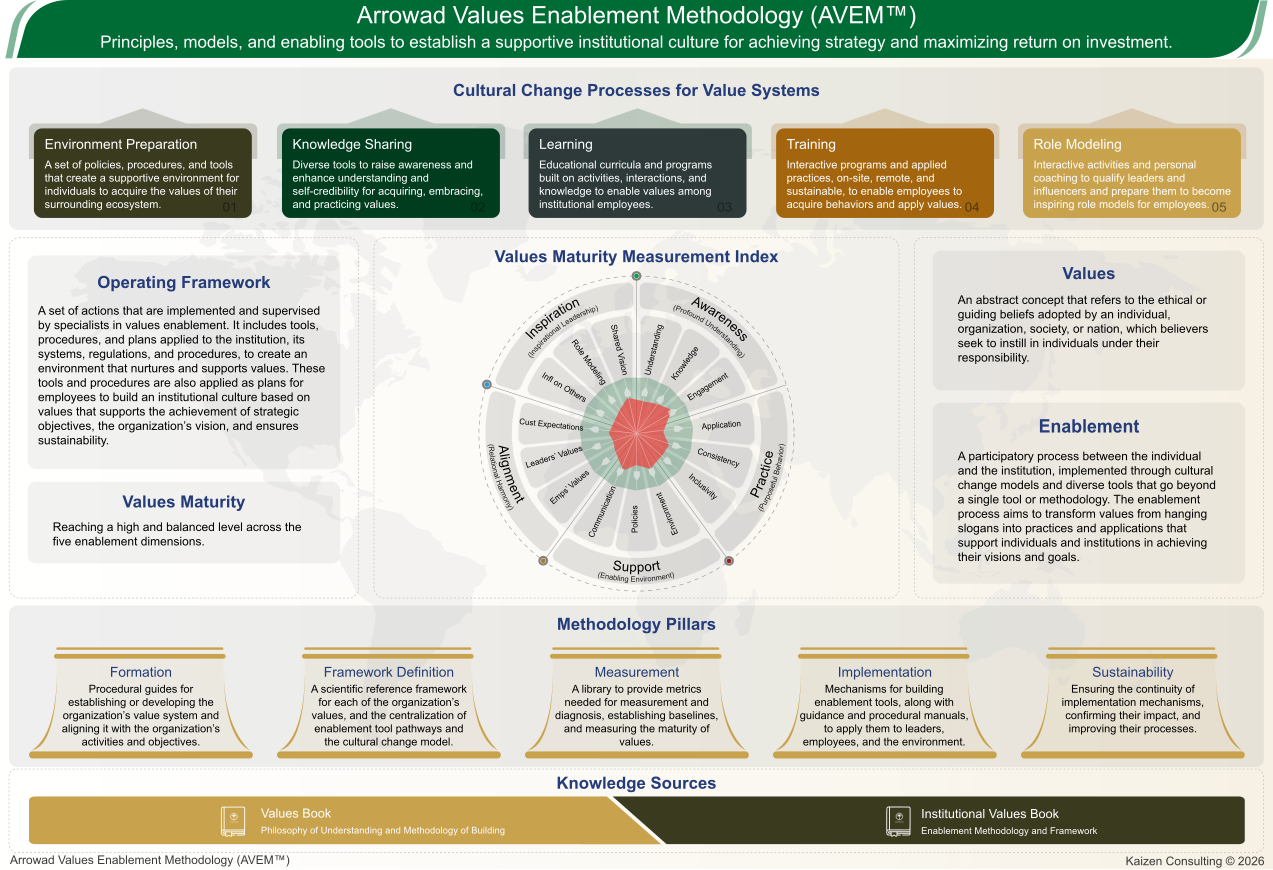
AVEM™ Methodology
Our enablement methodology that diagnoses culture, designs values systems, prioritizes actions, and embeds change through practical tools, then measures maturity to sustain continuous, measurable improvement.
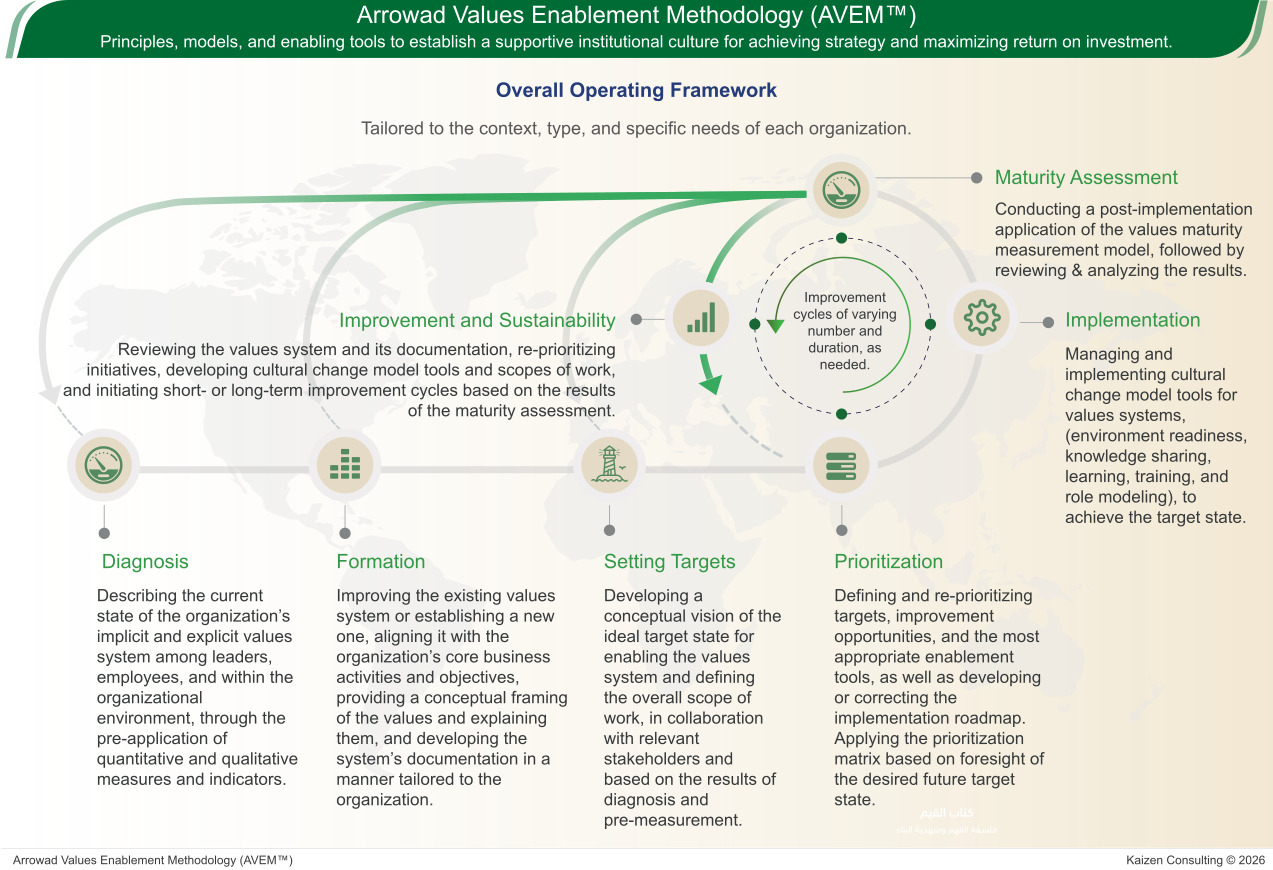
AVEM™ Operating Framework
An end-to-end cycle that guides organizations from values diagnosis to system formation, target setting, prioritization, implementation, and maturity assessment, followed by continuous improvement and sustainability loops.
01.
Cultural Change Processes
02.
03.
A measurement model that quantifies values maturity across key dimensions to reveal gaps, track progress, and guide decisions, turning culture into actionable indicators, dashboards, and improvement priorities.
04.
05.
06.
How AVEM™ Works End-to-End?
Phase 1
Diagnosis
Goal: Baseline explicit and implicit values across the organization.
Scope: Apply quantitative and qualitative tools to assess leaders, employees, and the organizational environment; capture gaps, risks, and current cultural patterns.
Exit-Gate: Diagnosis report and baseline maturity snapshot approved.
Phase 2
Formation
Goal: Build or refine a values system fit-for-purpose.
Scope: Improve or establish the values system; align with core activities and objectives; define meanings and behaviors; produce tailored documentation, structures, and references.
Exit-Gate: Documented values system aligned to strategy and operations.
Phase 3
Setting Targets
Goal: Define the desired target state and overall scope.
Scope: Co-create a conceptual target vision with stakeholders; define transformation scope, outcomes, and success indicators based on diagnosis results and pre-measurement insights.
Exit-Gate: Target state and scope validated with key stakeholders.
Phase 4
Prioritization
Goal: Select priorities, initiatives, and best enablement tools.
Scope: Rank targets and improvement opportunities; choose appropriate enablement mechanisms; build or correct the implementation roadmap using a prioritization matrix and future-state lens.
Exit-Gate: Prioritized roadmap with initiatives, owners, and timelines.
Phase 5
Implementation
Goal: Execute culture change interventions to reach target state.
Scope: Deploy change tools: environment readiness, knowledge sharing, learning, training, and role modeling; manage delivery, communications, adoption support, and performance integration.
Exit-Gate: Interventions delivered with adoption evidence and outputs.
Phase 6
Maturity Assessment
Goal: Measure post-implementation maturity and progress achieved.
Scope: Apply the values maturity measurement model after implementation; review results, analyze trends, validate improvements, and identify remaining gaps for the next cycle.
Exit-Gate: Post-assessment results analyzed and improvement needs confirmed.
Phase 7
Improvement and Sustainability
Goal: Sustain gains and continuously improve values enablement.
Scope: Review and update the values system and documentation; re-prioritize initiatives; refine tools and scope; launch short/long improvement cycles driven by maturity results.
Exit-Gate: Continuous improvement plan and next-cycle backlog approved.
Have Any Queries?
Get a Free Consultation
One of our consultants will contact you soon.