

منهجية قياس الأثر الاجتماعي والتشريعي والاقتصادي (SLEIA™)
أدلة تقود • أثر يتحقق
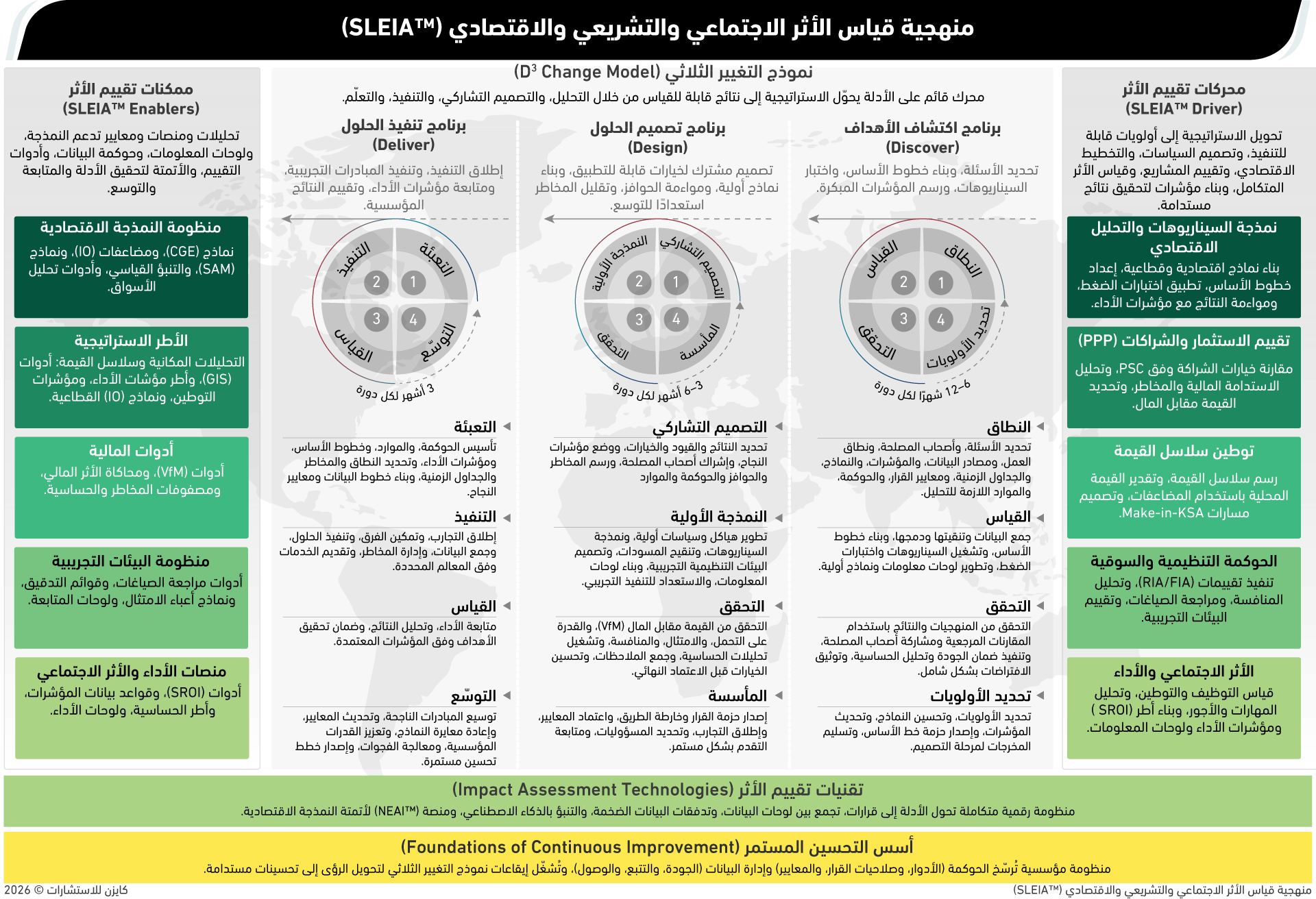
منهجية سليا (SLEIA™)
من الأدلة إلى الأثر
ما هي منهجية سليا؟
هي منظومةلتشغيلية متكاملة طورتها كايزن لتحقيق نتائج اجتماعية وتشريعية واقتصادية قابلة للقياس، وترتكز على نموذج التغيير الثلاثي (D³ Change Model) القائم على ثلاث مراحل: الاكتشاف، والتصميم، والتنفيذ، ضمن إطار موحّد يربط بين الأدلة وصناعة القرار.
كيف تعمل؟
تعمل المنهجية من خلال بناء خطوط الأساس، والتصميم التشاركي للخيارات، ثم التنفيذ التجريبي والتوسع، مع متابعة مؤشرات الأداء الرئيسية، والعائد الاجتماعي على الاستثمار (SROI)، والقيمة مقابل المال (VfM)، وذلك بدعم من تقنيات تقييم الأثر، بما في ذلك منصة تقييم الأثر الاقتصادي الوطني (™NEIA)، وضمن منظومة ممكنات ومحركات متكاملة.
لماذا تنجح؟
تنجح المنهجية في تحويل الأدلة إلى أثر ملموس من خلال تقديم نتائج عالية الموثوقية، قابلة للتدقيق، وقابلة للتوسع، ومهيأة لدعم اتخاذ القرار، بما يضمن مواءمتها مع الأولويات الوطنية وتحقيق أثر مستدام.
العناصر المكونة لمنهجية سليا
03
الممكنات
02
نموذج التغيير الثلاثي
01
المحركات
- تحديد النطاق وبناء إطار المؤشرات: تحديد الأسئلة السياساتية والفرضيات، ورسم خريطة أصحاب المصلحة، واختيار النماذج مثل نماذج التوازن العام القابل للحساب (CGE) ونماذج المدخلات والمخرجات (IO) وسلاسل القيمة، وتصميم مجموعة المؤشرات ومؤشرات الأداء وخطة البيانات.
- بناء البيانات وخط الأساس: جمع البيانات وتنقيتها، وبناء خطوط الأساس (مصفوفة المحاسبة الاجتماعية / نظام الحسابات القومية على المستوى القطاعي والإقليمي)، وتشغيل السيناريوهات الأولية واختبارات الضغط، وتطوير نماذج أولية للوحات المعلومات والخرائط الجغرافية.
- التحقق ومراجعة الحساسية: التحقق من النتائج باستخدام المقارنات المرجعية ومشاركة أصحاب المصلحة، وتنفيذ ضمان الجودة، والاختبار العكسي، وتحليلات الحساسية والتوزيع، وتوثيق الافتراضات وسلاسل البيانات.
- تحديد الأولويات والتعبئة: تحويل النتائج إلى قائمة أولويات للفرص والتحديات، وتنقيح الفرضيات والنماذج، وإصدار حزمة خط الأساس (لوحات معلومات، دليل مؤشرات الأداء، سجل المخاطر)، وتسليم المخرجات لمرحلة التصميم.
في برنامج تصميم الحلول (Design)، نقوم بالتصميم التشاركي واختبار خيارات السياسات والاستثمار، بما يشمل هياكل الشراكة (PPP/PSC) وتحليل القيمة مقابل المال (VfM)، ومعالجات المنافسة باستخدام مؤشرات (HHI) ومرونات الطلب ومحاكاة الاندماجات، وتصميم البيئات التنظيمية التجريبية، ومراجعة الصياغات القانونية مع اختبار أعباء الامتثال، والتحقق من الخيارات مع أصحاب المصلحة قبل المأسسة. ويتم تنفيذ هذا البرنامج على النحو التالي:
- بناء الخيارات والتصميم التشاركي: تحديد النتائج والقيود والخيارات مع أصحاب المصلحة، ووضع معايير النجاح. في مشاريع (PPP) يتم إعداد اختبارات (PSC/VfM)، وفي المنافسة يتم تحديد السيناريوهات البديلة والمعالجات، وفي البيئات التجريبية يتم تحديد النطاق ومعايير الدخول والخروج، وفي الصياغات يتم تحديد معايير الوضوح وقابلية التنفيذ وأعباء الامتثال، مع مواءمة التصميم مع مؤشرات رؤية 2030.
- النمذجة الأولية وبناء الهياكل: إعداد معايير (PSC) وهياكل توزيع المخاطر، وتشغيل محاكاة الاندماجات ونماذج المرونة، وتصميم بروتوكولات البيئات التجريبية ولوحات المتابعة، وإعداد المسودات القانونية وتقدير أعباء الامتثال، وبناء نماذج المحافظ والمناطق (IO/GIS) لعرض الأثر التوزيعي.
- التحقق من القيمة والامتثال: اختبار القدرة على التحمل والاستدامة المالية والقيمة مقابل المال عبر دورة الحياة، والتحقق من نتائج المنافسة والمعالجات، وتنفيذ تقييمات مرحلية ونهائية للبيئات التجريبية، ومراجعة الصياغات القانونية وضمان جاهزيتها للتنفيذ، واستخدام مصفوفات المخاطر وتحليل الحساسية ومشاورات أصحاب المصلحة (Istitlaa/RIA) للمقارنة بين الخيارات.
- حزمة القرار: إصدار مذكرات القرار وخارطة طريق التنفيذ، واعتماد التعديلات والمعايير، ونشر مذكرات السياسات للبيئات التجريبية، وتفعيل أدوات ولوحات المتابعة، وتنظيم أولويات التنفيذ القطاعي والإقليمي للتوسع.
في برنامج تنفيذ الحلول (Deliver)، نقوم بإطلاق التجارب والتوسع، من خلال تأسيس خطوط الأساس، وتنفيذ المبادرات، ومتابعة الأداء عبر لوحات ديناميكية، وتتبع مؤشرات الأداء والعائد الاجتماعي (SROI) وأدوات القيمة مقابل المال (VfM)، وإجراء التقييمات المرحلية والنهائية، ثم توسيع ما يثبت نجاحه لتحقيق تحول مستدام قائم على الأدلة. ويتم تنفيذ هذا البرنامج على النحو التالي:
- التعبئة وبناء خط الأساس: تأسيس حوكمة التنفيذ، وإدارة المخاطر، وخطة العمل، وبناء خطوط أساس قابلة للقياس ولوحات مؤشرات أداء متوائمة مع رؤية 2030 كنقطة انطلاق واضحة.
- التنفيذ التجريبي وبناء القدرات: تنفيذ التجارب والإطلاقات الأولية باستخدام لوحات ذكاء الأعمال، وبناء قدرات الفرق من خلال التدريب لضمان الجاهزية التشغيلية.
- القياس والتقييم: متابعة الأداء باستخدام مؤشرات ديناميكية، وتقييم العوائد المالية والاجتماعية (NPV، IRR، SROI)، وتنفيذ التقييمات المرحلية والنهائية واستخلاص الدروس المستفادة.
- التوسع والمأسسة: مراجعة النتائج وفق معايير (SDG/SIA)، وتوسيع الحلول الناجحة، وتحديث السياسات والمعايير، وتفعيل أدوات المتابعة لضمان تحقيق قيمة مستدامة مقابل المال.
نموذج التغيير الثلاثي
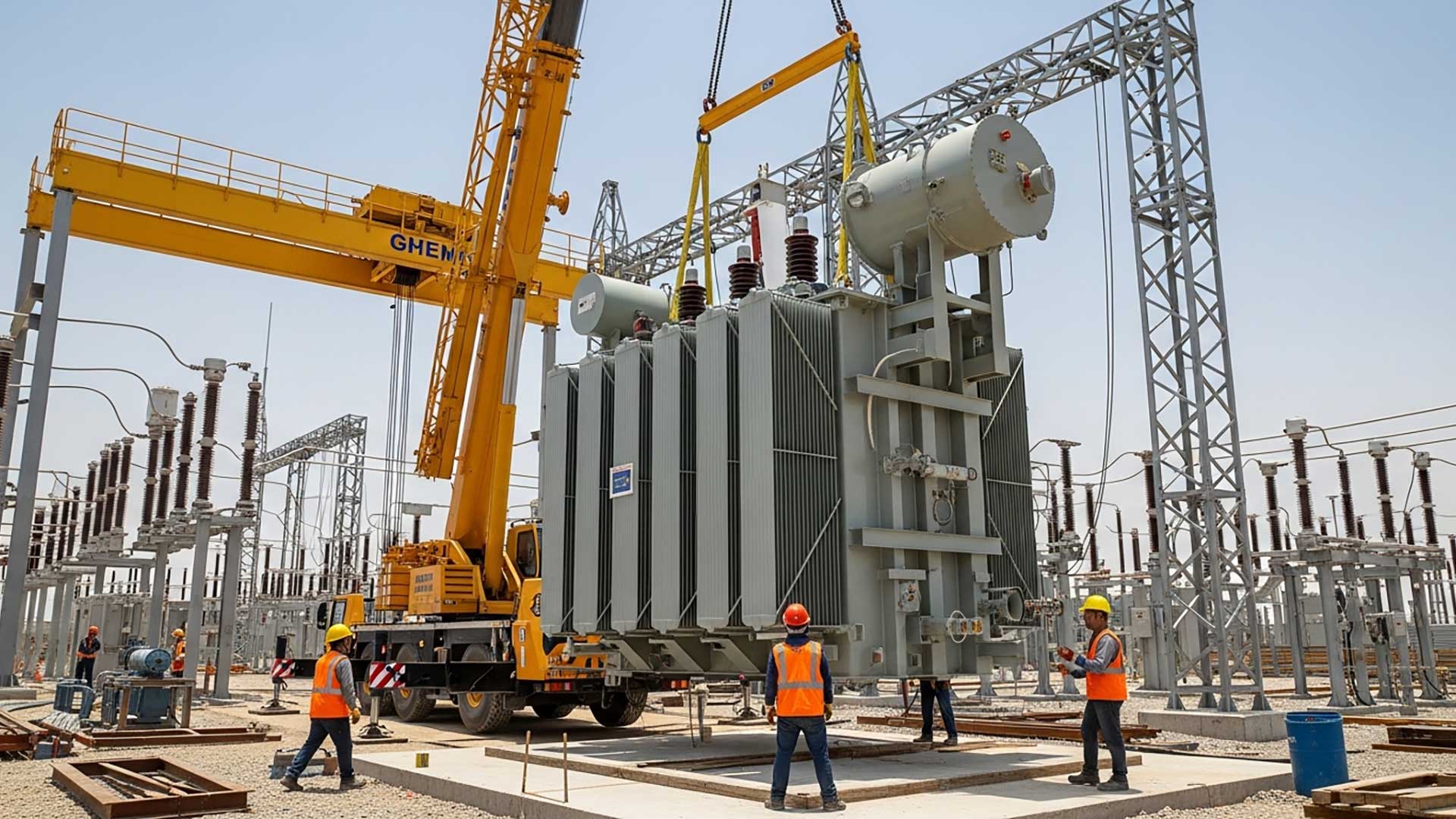
1. نمذجة السيناريوهات والتحليل الاقتصادي
2. تقييم الاستثمار والشراكات بين القطاعين العام والخاص
3. التوطين وهيكلة سلاسل القيمة
4. الحوكمة التنظيمية والسوقية
5. الأثر الاجتماعي والأداء
محركات سليا
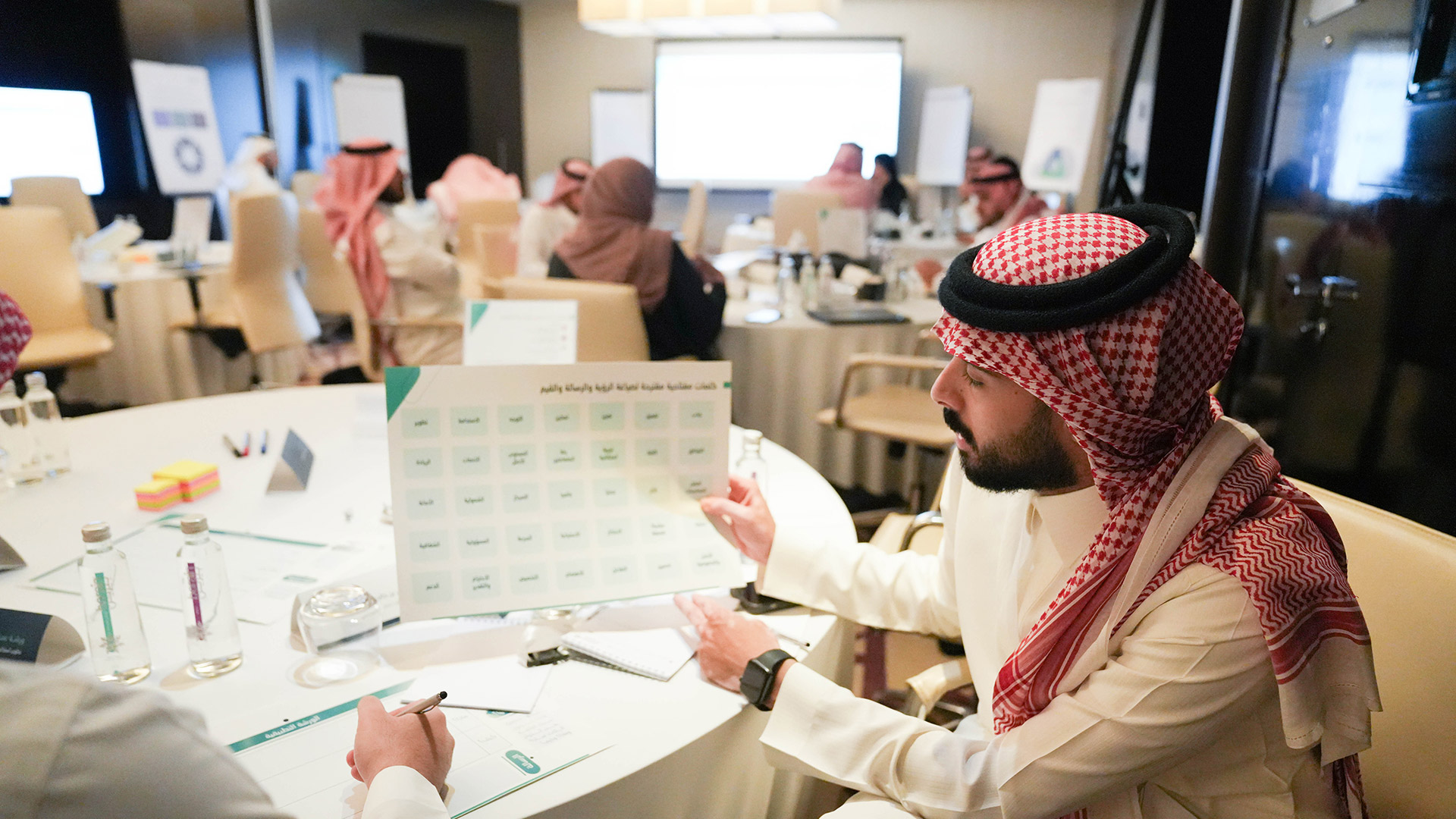
1. منظومة النمذجة الاقتصادية ونمذجة المنافسة
2. التحليلات المكانية وتحليلات سلاسل القيمة والتوطين
3. أدوات التقييم المالي وتقييم الشراكات والأثر
5. منصات الأثر الاجتماعي والأداء
5. منصات التأثير الاجتماعي والأداء
ممكنات سليا
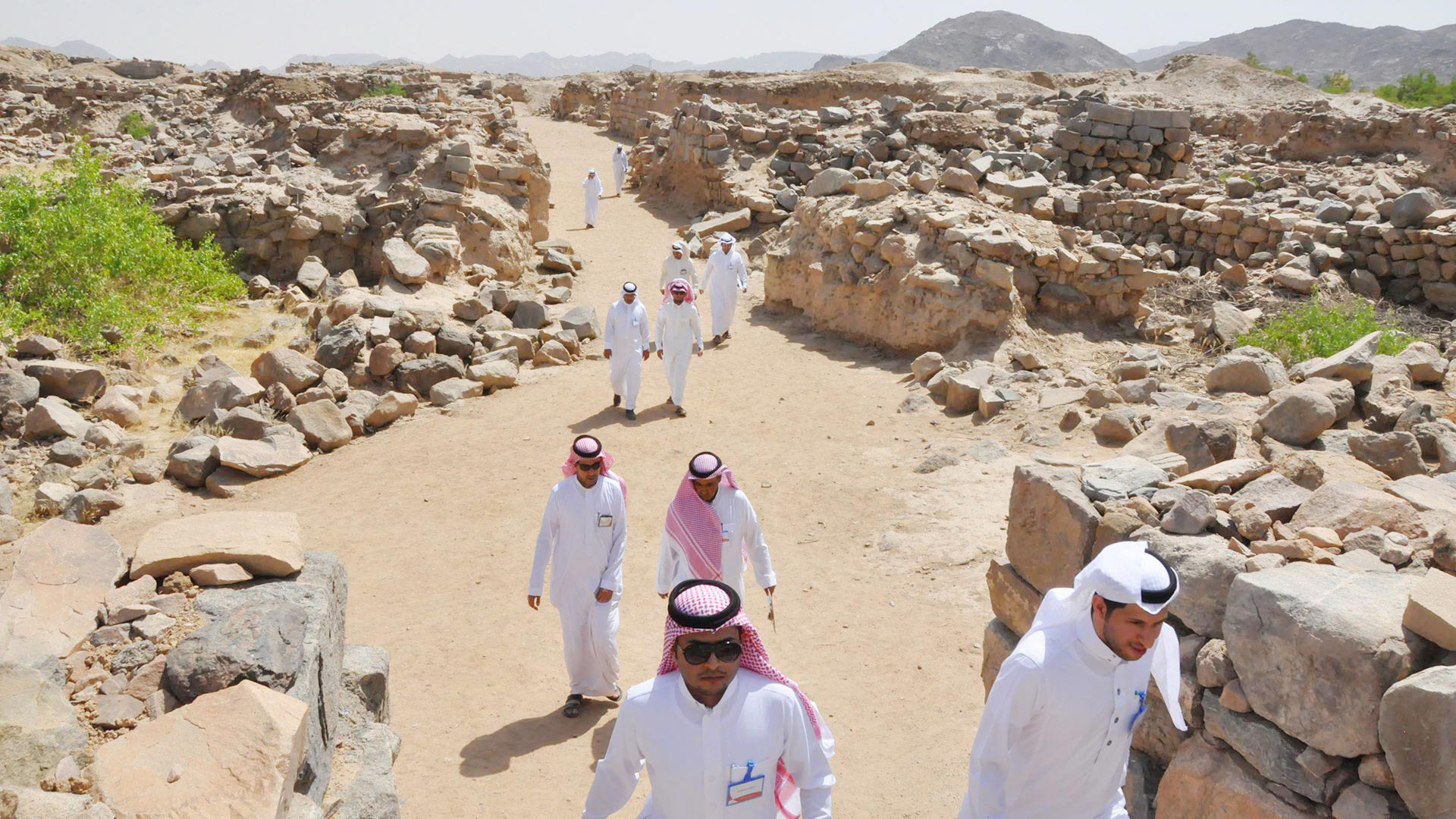
كيف تعمل المنهجيات بشكل متكامل من البداية إلى النهاية؟
نموذج نجاح التنفيذ عبر المراحل
تمثل منهجية سليا رحلة مكوّنة من ست مراحل، تبدأ من التأسيس وتنتهي بتحقيق أثر مستدام: تعبئة الحوكمة والتقنية، واكتشاف خطوط الأساس وتحديد الأولويات، وتصميم خيارات منخفضة المخاطر، وتنفيذ قيمة مثبتة، والتوسع مع ترسيخ المعايير والمسؤوليات، والتحسين المستمر.
المرحلة 1 — التهيئة والتأسيس (Mobilize & Architecture)
- الهدف: تأسيس الحوكمة، والنموذج التشغيلي، والبنية التقنية (منصة قياس الأثر، تدفقات البيانات، لوحات المعلومات).
- النطاق: تحديد الأدوار وصلاحيات اتخاذ القرار، ومواءمة محركات وممكنات سليا مع الأهداف، واعتماد المؤشرات وهيكلية مؤشرات الأداء، وتفعيل حوكمة البيانات، وسجل المخاطر، ومتطلبات الخصوصية والامتثال، وتهيئة تقنيات تقييم الأثر.
- معايير الانتقال للمرحلة التالية: اعتماد ميثاق التعبئة، واكتمال دليل مؤشرات الأداء، وتفعيل سياسة حوكمة البيانات، وتجهيز منصة قياس الأثر (™NEIA) ولوحات المعلومات.
المرحلة 2 — الاكتشاف (Discover)
- الهدف: بناء خطوط الأساس والأدلة لتحديد الأولويات والفرص والمخاطر.
- النطاق: جمع وتنقية البيانات، وبناء خطوط الأساس الاقتصادية والاجتماعية (نماذج التوازن العام القابل للحساب (CGE)/المدخلات والمخرجات (IO)/مصفوفة المحاسبة الاجتماعية (SAM)، ومؤشرات سوق العمل)، وتشغيل السيناريوهات واختبارات الضغط، وتحليل سلاسل القيمة والتوطين، وتطوير لوحات معلومات أولية وخرائط جغرافية، وإدماج مؤشرات أولية لـ العائد الاجتماعي على الاستثمار (SROI) والقيمة مقابل المال (VfM).
- معايير الانتقال للمرحلة التالية: إصدار حزمة خط الأساس (المنهجيات، الافتراضات، اللوحات)، وقائمة الأولويات، وتقرير جاهزية لمرحلة التصميم.
المرحلة 3 — التصميم (Design)
- الهدف: التصميم التشاركي لخيارات قابلة للتنفيذ ومنخفضة المخاطر، وهياكل تنفيذ فعالة.
- النطاق: بناء الخيارات بالتعاون مع أصحاب المصلحة، وتصميم هياكل الشراكة بين القطاعين العام والخاص والمقارن الحكومي (PPP/PSC) وتحليل القيمة مقابل المال (VfM)، ومعالجات المنافسة (مؤشر هيرفيندال-هيرشمان، المرونات، محاكاة الاندماجات)، وتحديد نطاق البيئات التجريبية وبروتوكولاتها، ومراجعة الصياغات وتقدير أعباء الامتثال، وتحليل الأثر التوزيعي والإقليمي.
- معايير الانتقال للمرحلة التالية: اعتماد مذكرة القرار، وإقرار خارطة طريق التنفيذ، وسجلات المخاطر والفوائد، وخطة المتابعة مؤشرات العائد الاجتماعي على الاستثمار (SROI)، والقيمة مقابل المال (VfM).
المرحلة 4 — التنفيذ التجريبي (Deliver – Pilot)
- الهدف: إثبات القيمة ضمن بيئات مضبوطة، وبناء القدرات التنفيذية.
- النطاق: إطلاق التجارب، وتمكين الفرق، وتشغيل لوحات المعلومات، وإدارة المخاطر، وإجراء تقييم مرحلي، وتنفيذ برامج تدريبية وإجراءات تشغيل قياسية، والتكرار باستخدام سيناريوهات منصة تقييم الأثر الاقتصادي الوطني (™NEIA) وتحليل الحساسية.
- معايير الانتقال للمرحلة التالية: إصدار تقرير مرحلي، وتحقيق (أو تعديل) مستهدفات الأداء، واتخاذ قرار التوسع أو الإيقاف بناءً على نتائج موثقة.
المرحلة 5 — التوسع والمأسسة (Scale & Institutionalize)
- الهدف: تعميم الحلول الناجحة وترسيخ المعايير عبر الجهات والمناطق.
- النطاق: إعداد خطة توسع مرحلية، وإدارة تحقيق المنافع، وتحديث السياسات والمعايير، وتوفير التمويل والحوافز، وإعداد الأدلة التشغيلية، وتحديد مستويات الخدمة وآليات المساءلة.
- معايير الانتقال للمرحلة التالية: تحقيق نطاق التغطية المستهدف، وتفعيل تتبع المنافع، ونشر المعايير المحدثة، ونقل المسؤولية إلى الجهات التنفيذية.
المرحلة 6 — التحسين المستمر وتعظيم الأثر (Continuous Improvement & Benefits)
- الهدف: استدامة النتائج من خلال دورات ديمنج (PDCA) ونموذج التغيير الثلاثي (D³ Change Model)، وإعادة المعايرة، والتقارير الشفافة.
- النطاق: مراجعات أداء ربع سنوية، وإدارة النماذج والإصدارات، وتحديث الافتراضات، وتدقيق مؤشرات العائد الاجتماعي على الاستثمار (SROI) والقيمة مقابل المال (VfM) ومؤشرات الأداء، وتوثيق الدروس المستفادة، وبناء القدرات والتوجيه المستمر.
- معايير اكتمال المرحلة: إصدار حزمة الأداء والتعلّم بشكل دوري، وإغلاق الإجراءات، وتحديد أولويات الدورة التالية، مع استمرار دورة التحسين.
هل لديك أي استفسارات؟
احصل على استشارة مجانية
سيتصل بك أحد مستشارينا قريباً.