
الملخص
في الاقتصاد الرقمي الحديث، يجب التعامل مع البيانات كأصل تنظيمي ملموس وليس كمنتج ثانوي تقني بحت. فهي لم تعد ناتجًا ثانويًا لأنظمة تكنولوجيا المعلومات، بل أصبحت موردًا استراتيجيًا يتطلب حوكمة وإدارة تتجاوز شفرة البرمجيات والبنية التحتية (DAMA International، 2017).
وعلى الرغم من هذا التحول، تكافح العديد من المؤسسات لتحقيق قيمة من إنشاء مكاتب إدارة البيانات (DMOs). ويتمثل أحد التحديات المستمرة في الانفصال الوظيفي: يعمل مكتب إدارة البيانات كوحدة مفاهيمية أو وحدة للسياسات، وتكنولوجيا المعلومات كوحدة تنفيذية، ووحدات الأعمال كمستهلكين للبيانات. وهذا التجزؤ يبدد القيمة المتوقعة من البيانات ويضعف الحوكمة على مستوى المؤسسة.
المشكلة: انقطاع الاتصال الوظيفي وصوامع البيانات
وبالاستناد إلى الخبرة المهنية في إنشاء وتشغيل مكاتب إدارة البيانات في شركة كايزن للاستشارات، يلاحظ المؤلف وجود "فجوة صامتة" تهدد حتى أكبر مبادرات حوكمة البيانات. ففي العديد من الكيانات، يصبح مكتب إدارة البيانات الرقمية جزيرة منعزلة تنتج سياسات ورقية، في حين أن الواقع التقني والتشغيلي يتبع مساراً مختلفاً تماماً.
وهذا التحدي الهيكلي معترف به على نطاق واسع في الأدبيات الأكاديمية والمهنية على أنه صوامع البيانات، وفصل الحوكمة عن التنفيذ، وعدم وجود تكامل مؤسسي بين مكاتب إدارة المحتوى وتكنولوجيا المعلومات والوحدات التشغيلية (خاطري وبراون، 2010). والنتيجة هي نموذج حوكمة موجود نظرياً ولكن ليس عملياً.
التوترات الهيكلية بين مكتب إدارة الديون وتكنولوجيا المعلومات ووحدات الأعمال
1. التضارب الهيكلي بين مكتب إدارة الديون والتحليل المالي
غالبًا ما تنظر إدارات تكنولوجيا المعلومات إلى مكتب إدارة المشاريع على أنه عبء إداري أو هيئة امتثال تبطئ عملية التنفيذ. ويؤدي هذا التصور إلى:
- الحوكمة الورقية: سياسات البيانات التي يحددها مكتب إدارة المحتوى والتي لا يمكن تنفيذها تقنياً.
- ازدواجية المعايير: تقوم فرق تكنولوجيا المعلومات بتصميم قواعد البيانات بشكل مستقل، دون الرجوع إلى معايير نمذجة البيانات المعتمدة.
يقوض هذا الاختلال في المواءمة تكامل الحوكمة في دورة حياة تطوير النظام ويعزز الممارسات المنعزلة (أوتو، 2011).
2. الفجوة المعرفية بين مكتب إدارة الديون والتحليل المالي ووحدات الأعمال
عادةً ما تتعامل الإدارات التشغيلية مع البيانات من منظور قصير الأجل والاحتياجات الفورية، في حين تتعامل إدارات إدارة البيانات من منظور الاستدامة والحوكمة. وتؤدي هذه الفجوة إلى:
- غياب ملكية البيانات: تتنصل وحدات الأعمال من المسؤولية عن جودة البيانات، وتلقي باللوم على تكنولوجيا المعلومات أو مكتب إدارة المحتوى.
- فقدان قيمة الأعمال: يؤدي الفهم المحدود لمكتب إدارة المشاريع لسياق الأعمال إلى بيانات محكومة تفتقر إلى الأهمية التشغيلية.
وتسلط الأدبيات الضوء على هذه المشكلة باعتبارها فشلًا في تضمين أدوار الحوكمة داخل العمليات التجارية، بدلاً من وضعها كضوابط خارجية (Weber وOtto وOsterle، 2009).
التحليل الأكاديمي للأسباب الجذرية
من وجهة نظر أكاديمية، هناك ثلاثة أسباب جذرية تفسر هذا الانفصال المستمر:
- نموذج التشغيل المعيب: غالباً ما يتم تصميم مكتب إدارة البيانات كقسم مستقل بدلاً من وظيفة متعددة الوظائف. وتضع أفضل الممارسات حوكمة البيانات كقدرة مؤسسية مدمجة عبر الحدود المؤسسية (DAMA International، 2017).
- تضارب مؤشرات الأداء الرئيسية (KPIs): عندما تُقاس تكنولوجيا المعلومات بالسرعة، ويقاس مكتب إدارة المشاريع بالامتثال، ووحدات الأعمال بالربحية، دون وجود مؤشر أداء رئيسي مشترك للقيمة المستندة إلى البيانات، يصبح التضارب الداخلي أمراً حتمياً. وهذا التضارب يضعف التعاون والمساءلة المشتركة (Khatri and Brown، 2010).
- ضعف الثقافة القائمة على البيانات: كثيرًا ما يُنظر إلى إدارة البيانات على أنها مهمة إضافية وليست مسؤولية أساسية. غياب ثقافة البيانات يمنع الموظفين من دمج جودة البيانات والإشراف عليها في العمل اليومي (إيرلي، 2016).
خارطة طريق للتكامل وتحقيق القيمة المضافة
لمعالجة هذا التجزؤ، يجب أن تتحول المؤسسات من نموذج الجزر المنعزلة إلى نموذج الشراكة الاستراتيجية. وينطوي هذا التحول على عمل منسق عبر الحوكمة والعمليات والتكنولوجيا والهيكل التنظيمي.
الحوكمة: من التحكم إلى التمكين
ينبغي أن تتطور حوكمة البيانات من نموذج يركز على الامتثال إلى نموذج تمكيني. وينبغي أن ينتقل مكتب إدارة البيانات من القول "لا" بسبب عدم الامتثال إلى توفير أدوات عملية، مثل قواميس البيانات وآليات جودة البيانات المؤتمتة، التي تيسر الأداء التقني والتشغيلي (Weber, Otto and Österle, 2009).
العمليات: تفعيل مالكي البيانات والمشرفين عليها
يجب على كل وحدة عمل أن تعين رسمياً مالكي البيانات ومشرفي البيانات للعمل كواجهات فاعلة مع مكتب إدارة الديون والتحليل المالي. وتتجاوز مسؤولياتهم الألقاب الاسمية:
- تحديد قواعد جودة البيانات المستندة إلى الأعمال التجارية.
- ترجمة هذه القواعد إلى متطلبات لتنفيذ تكنولوجيا المعلومات.
- ربط الحوافز والمكافآت بدقة ونضج بيانات وحداتهم.
يدمج هذا النهج المساءلة مباشرة في العمليات التجارية (خاطري وبراون، 2010).
التكنولوجيا: التكامل الإجرائي مع دورة حياة البرمجيات
يجب أن تصبح مراجعة معايير البيانات خطوة إلزامية ضمن دورة حياة تطوير النظم (SDLC). ولا ينبغي إطلاق أي نظام دون موافقة رسمية من مكتب إدارة النظم على بنية بياناته منذ مرحلة التصميم الأولى. وهذا يضمن أن يتم "ترميز" الحوكمة في النظم بدلاً من تعديلها لاحقاً (أوتو، 2011).
التنظيم: إنشاء لجنة توجيهية
من الضروري وجود لجنة توجيهية متعددة الوظائف، تقودها الإدارة العليا وتضم تكنولوجيا المعلومات والعمليات ومكتب إدارة المشاريع. ولا يتمثل دورها في مناقشة التفاصيل التقنية، بل في ضمان ما يلي:
- تخدم استراتيجية البيانات أهداف العمل.
- تدعم البنية التحتية للتكنولوجيا بفعالية الاحتياجات التشغيلية.
ومن المعترف به على نطاق واسع أن هيئات الحوكمة هذه ضرورية لمواءمة الاستراتيجية والحوكمة والتنفيذ (DAMA International، 2017).
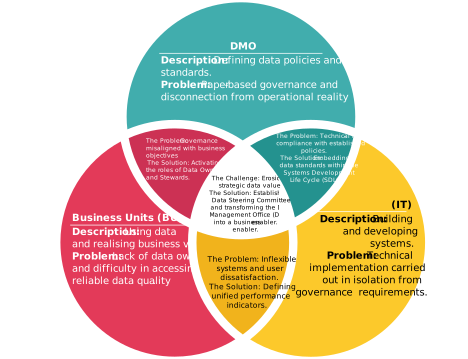
الخاتمة: البيانات بوصفها الجهاز العصبي التنظيمي
لا يمكن للبيانات أن تولد أقصى قيمة إلا عندما يتم التعامل معها على أنها الجهاز العصبي للمنظمة، حيث تربط الدماغ (القيادة) بالأطراف (العمليات) من خلال المسارات التكنولوجية. ولا ينبغي أن يقاس نجاح مكتب إدارة البيانات بعدد السياسات التي يتم إنتاجها، بل بمدى تضمين تلك السياسات في رمز تكنولوجيا المعلومات وانعكاسها في القرارات التشغيلية اليومية.
يبقى السؤال المحوري: في مؤسستك، هل مكتب إدارة البيانات في مؤسستك هو عامل تمكين لقيمة الأعمال أم مجرد هيئة تنظيمية؟
الإغلاق
يسلط هذا التقرير الضوء على أن فشل العديد من منظمات إدارة الوجهات السياحية ليس تقنياً بل هيكلياً وثقافياً. ويتطلب سد الفجوة بين الحوكمة والتكنولوجيا والعمليات إعادة تصميم نماذج التشغيل، ومواءمة الحوافز، وتضمين أدوار الإشراف، ودمج الحوكمة في تطوير النظام. عندما تتلاقى هذه العناصر، تتحول حوكمة البيانات من النظرية إلى التطبيق، مما يتيح خلق قيمة مستدامة قائمة على البيانات في جميع أنحاء المؤسسة.
المراجع
- مؤسسة DAMA الدولية (2017) DAMA-DMBOK: مجموعة معارف إدارة البيانات. الطبعة الثانية. Basking Ridge, NJ: Technics Publications.
- Earley, S. (2016) بحيرة البيانات: أساس لسرعة حركة المؤسسة. بوسطن، ماساتشوستس: أورايلي ميديا.
- Khatri, V. and Brown, C.V. (2010) "تصميم حوكمة البيانات"، اتصالات ACM، 53 (1)، ص 148-152. https://doi.org/10.1145/1629175.1629210
- Otto, B. (2011) "تنظيم حوكمة البيانات: نتائج من صناعة الاتصالات السلكية واللاسلكية وعواقبها على كبار مزودي الخدمات"، اتصالات رابطة نظم المعلومات، 29(1)، ص 45-66.
- Weber, K., Otto, B. and Österle, H. (2009) "مقاس واحد لا يناسب الجميع - نهج طارئ لحوكمة البيانات"، مجلة جودة البيانات والمعلومات، 1(1)، ص. 1-27. https://doi.org/10.1145/1515693.1515696