Project Components
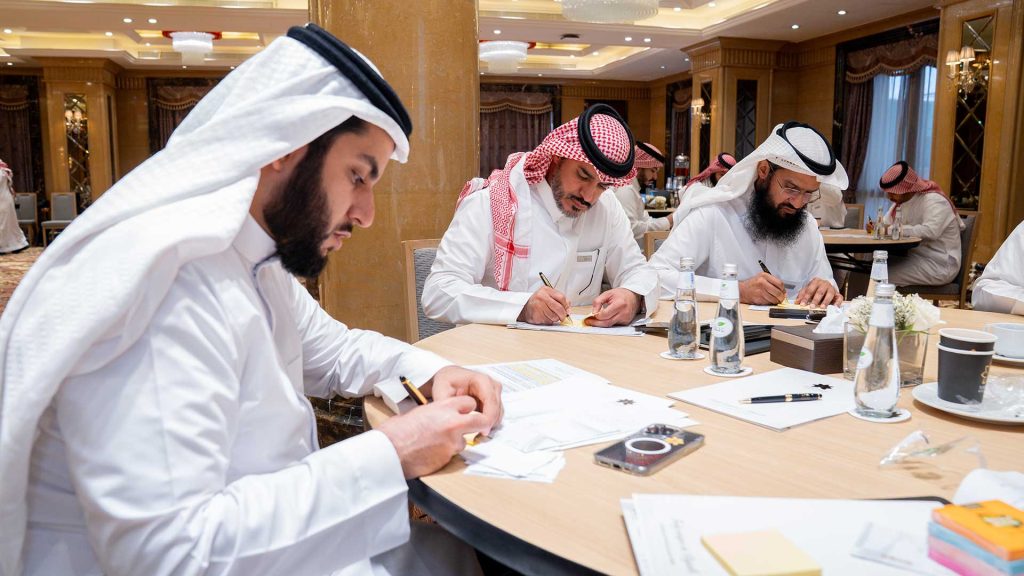
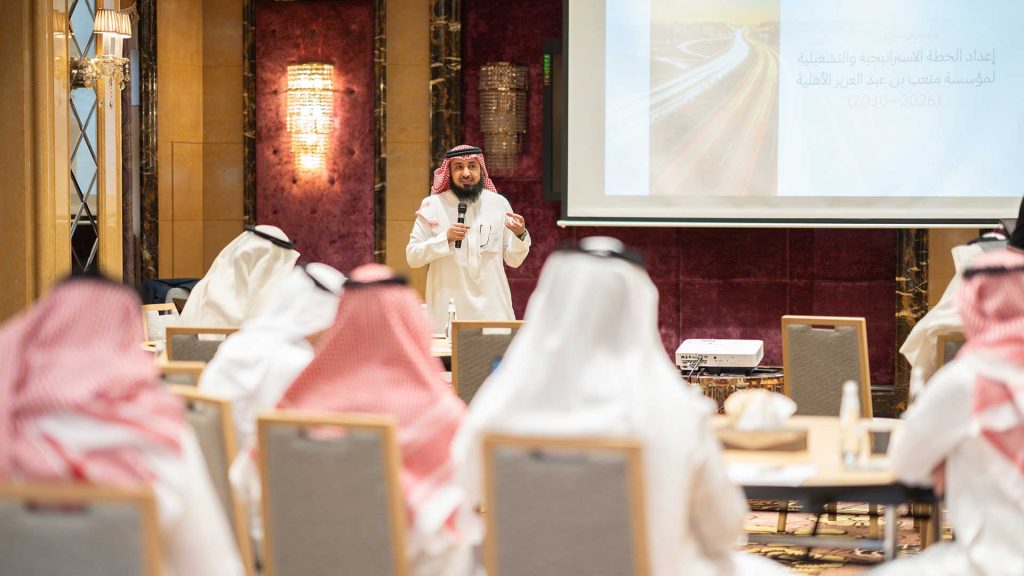
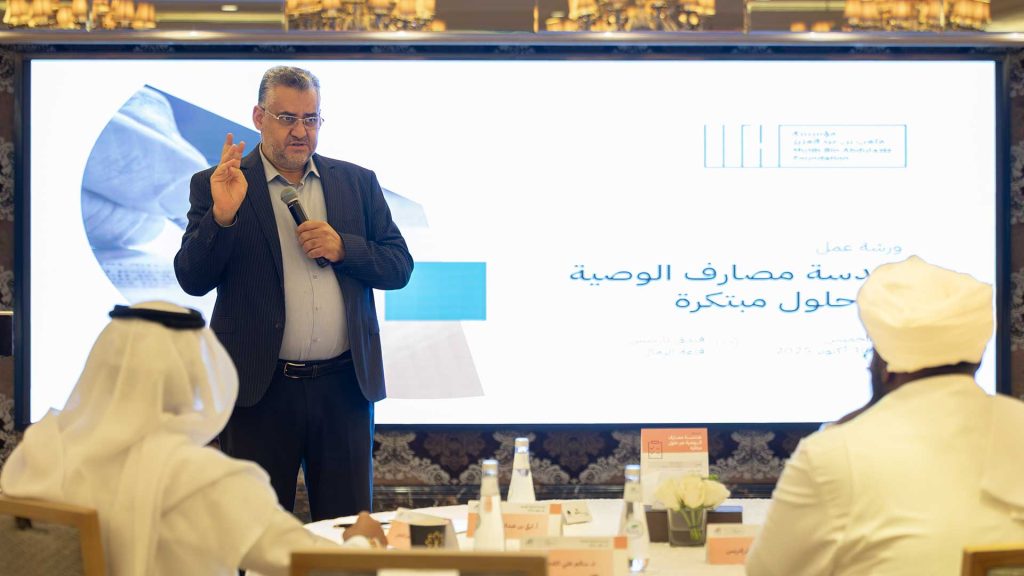
The 19‑week project crafted a strategic and operational planning for the Prince Muteb bin Abdulaziz Foundation covering 2026–2030. It involved diagnosing internal and external environments, defining organisational identity and direction, setting measurable goals and indicators, translating them into initiatives, budgets and dashboards and designing an operational structure and governance model. Knowledge transfer ensured sustained execution and continuous improvement.
A. The Challenge
The foundation lacked a clear long‑term strategy and operational framework to guide its philanthropic work. Without a structured plan, it risked fragmented efforts, unclear priorities and limited impact on beneficiaries.
B. Our Solution
We conducted a thorough diagnostic assessment, facilitated scenario planning and engaged stakeholders to define mission, vision and strategic objectives. We developed measurable targets, initiatives, budgets and dashboards, and designed governance and operational structures. A knowledge transfer programme equipped staff to implement and monitor the plan.
C. Key Achievements
The resulting plan provides a clear roadmap for 2026–2030, aligning resources with strategic priorities. The foundation can track progress through dashboards, adapt initiatives as needed and maintain focus on its mission. The project built internal capacity for strategic management and continuous improvement.
FAQ
What was the main objective of the Prince Muteb bin Abdulaziz Foundation project
The main objective was to develop a clear, long-term roadmap for the foundation covering the years 2026–2030. This included defining its mission, vision, priorities and measurable goals, while ensuring that all initiatives and resources were aligned with its philanthropic purpose. The project aimed to strengthen impact, improve internal coordination and provide a structured framework for sustainable growth.
Why did the foundation need a comprehensive planning framework
The foundation lacked a unified direction to guide decision-making and resource allocation. Without a structured framework, efforts risked becoming fragmented and reactive. By creating a well-defined plan, the foundation gained clarity on priorities, improved accountability and ensured that all activities directly supported its long-term mission and beneficiary impact.
What was included in the 2026–2030 roadmap
The roadmap included an in-depth assessment of the internal and external environment, clear organisational identity statements, defined objectives, measurable performance indicators, and prioritised initiatives. It also covered budgeting guidelines, governance structures and monitoring dashboards to ensure effective execution and continuous improvement.
What is strategic and operational planning
Strategic and operational planning is a structured process that defines an organization’s long-term direction (strategic) and translates it into actionable short-term steps (operational). Strategic and operational alignment ensures that vision, mission, objectives, initiatives, budgets, and performance indicators all work together to achieve measurable impact.
Why is strategic and operational planning important for foundations
For foundations, strategic and operational planning ensures that philanthropic goals are clearly defined and effectively executed. A strong strategic and operational framework prevents fragmented efforts, aligns resources with priorities, and maximizes social impact through structured governance and measurable outcomes.
What is the difference between strategic and operational plans
A strategic plan defines long-term vision, mission, and objectives, typically over three to five years. An operational plan translates that strategy into detailed annual initiatives, budgets, timelines, and KPIs. Strategic and operational plans must work together to ensure consistent direction and practical execution.
How long does a strategic and operational planning project take
The timeline for strategic and operational planning depends on the organization’s size and complexity. On average, a comprehensive strategic and operational planning project may take 12–20 weeks, including diagnostics, stakeholder engagement, scenario planning, and development of governance and performance systems.
What are the key components of strategic and operational planning
Strategic and operational planning typically includes environmental analysis, mission and vision clarification, strategic objectives, measurable KPIs, initiative development, budgeting, governance design, risk assessment, and dashboard creation. Each component ensures alignment between long-term ambition and day-to-day execution.
How does strategic and operational planning improve performance
Strategic and operational planning improves performance by setting clear priorities and measurable targets. With defined KPIs and dashboards, organizations can monitor progress, adjust initiatives, allocate resources effectively, and ensure continuous improvement across all departments.
Who should be involved in strategic and operational planning
Effective strategic and operational planning involves leadership, board members, department heads, and key stakeholders. Broad participation ensures alignment, strengthens ownership, and increases the likelihood that the strategic and operational plan will be successfully implemented.