Project Components
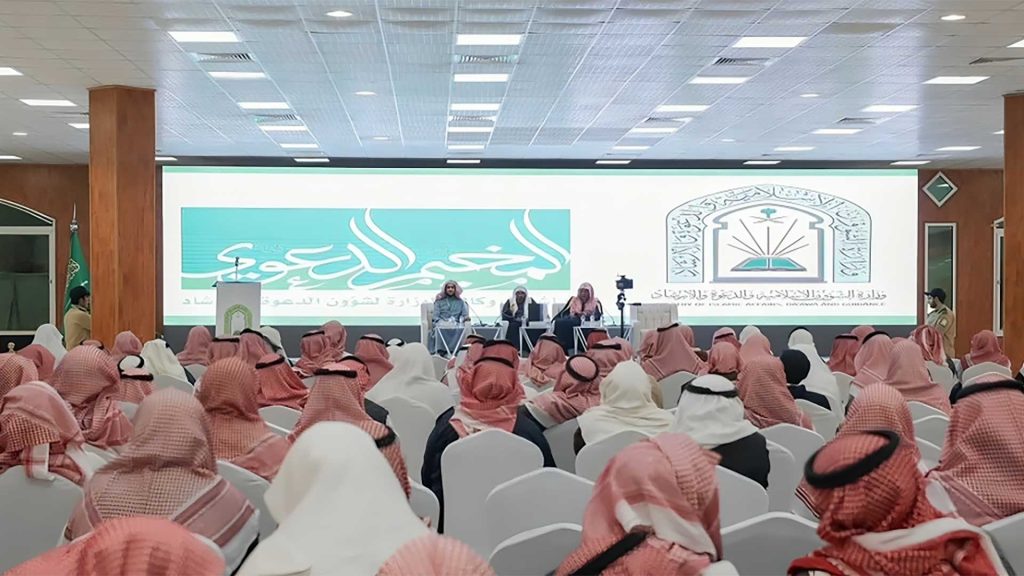
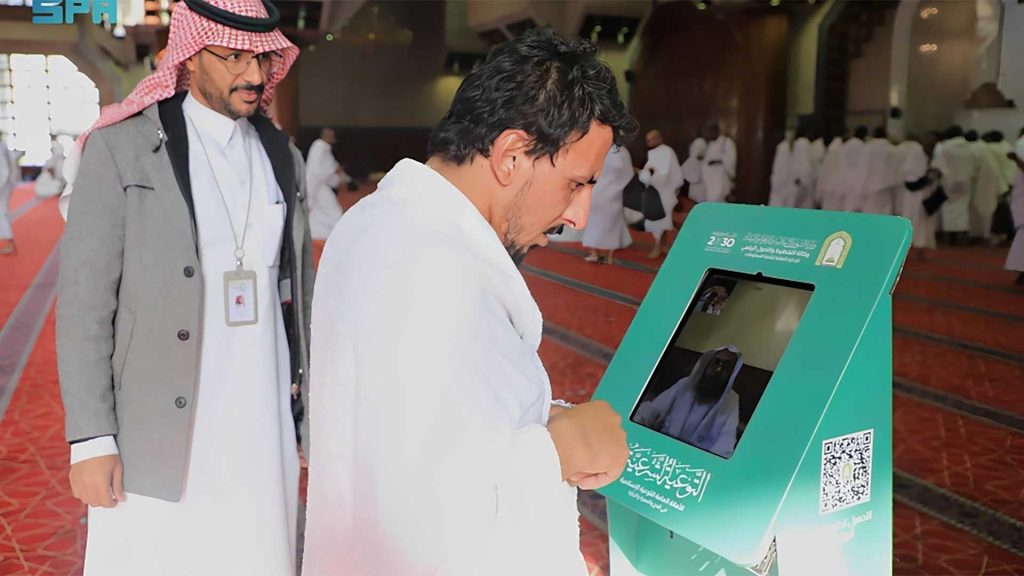
Islamic Awareness during Hajj was the central focus of this qualitative study, which analysed the status of awareness campaigns during the 1429 AH Hajj season and provided recommendations for improvement. The study comprised two phases: a comprehensive diagnostic assessment using surveys in six languages, workshops, field visits, and interviews that collected extensive responses; followed by the development of future awareness strategies to enhance campaign effectiveness and coordination.
A. The Challenge
Authorities needed to understand the effectiveness of existing Hajj awareness initiatives and identify areas for improvement across diverse pilgrim groups.
B. Our Solution
Researchers conducted multilingual surveys, focus groups, workshops and field observations to collect quantitative and qualitative data and formulated actionable recommendations.
C. Key Achievements
The study delivered evidence‑based recommendations for enhancing awareness campaigns, informed future planning and improved coordination among stakeholders.
Frequently Asked Questions
What was the purpose of the Islamic Awareness during Hajj study project?
The Islamic Awareness during Hajj study project was developed to evaluate how effectively awareness campaigns guided pilgrims during the Hajj season. By assessing the clarity, reach, and impact of Islamic Awareness during Hajj messaging, the project aimed to identify what worked well and what needed improvement across different pilgrim groups. The study also focused on generating practical, evidence-based recommendations to strengthen future campaign planning, improve message consistency, and enhance overall engagement with pilgrims in multiple languages and contexts.
Why was this research important for Hajj authorities?
For Hajj authorities, improving Islamic Awareness during Hajj is essential because pilgrims come from diverse backgrounds, languages, and levels of religious knowledge. Without continuous evaluation, awareness messages may not reach all groups effectively or may be interpreted inconsistently. This research helped authorities understand how pilgrims received and applied Islamic Awareness during Hajj guidance, where communication gaps existed, and how awareness channels could be better aligned. The results supported stronger coordination among stakeholders and more effective planning for future Hajj seasons.
What methodology was used in the Islamic Awareness during Hajj study?
The Islamic Awareness during Hajj study used a structured mixed-method approach combining qualitative and quantitative tools. Researchers conducted multilingual surveys in six languages, supported by workshops, focus groups, interviews, and field observations during the Hajj season. This design ensured that the evaluation of Islamic Awareness during Hajj captured both measurable trends and detailed feedback from pilgrims and stakeholders. The outcome was a comprehensive understanding of campaign performance and a clear set of improvements to enhance awareness delivery in future seasons.
How were pilgrims involved in the research process?
Pilgrims played a central role in the study. Data was collected directly from participants through structured surveys and interviews conducted on-site. Workshops also allowed selected groups to provide detailed feedback about clarity of messaging, accessibility of materials, and responsiveness of awareness channels. This participatory approach ensured that recommendations reflected real needs rather than assumptions.
What were the key outcomes of the project?
The study produced actionable, evidence-based recommendations to enhance awareness delivery during future Hajj seasons. It strengthened coordination between agencies, improved communication targeting, and provided a structured roadmap for refining campaign design. Authorities gained clarity on which channels were most effective, how multilingual materials could be optimized, and how stakeholder alignment could be improved to support consistent guidance.
How did the project support long-term strategic planning?
Beyond evaluating a single season, the research established a repeatable assessment framework. This framework allows authorities to monitor awareness effectiveness across future Hajj cycles, compare performance indicators, and implement continuous improvement strategies. By institutionalizing research-driven planning, the project contributed to sustainable development of religious awareness initiatives.
Where can I learn more about Kaizen?
To discover more about Kaizen’s expertise in research, strategic advisory, and institutional transformation projects, you can visit the official company page here:
👉 Discover Kaizen
Who was the client for this project?
The client for this initiative was the Ministry of Islamic Affairs, Dawah and Guidance. The Ministry sought a comprehensive evaluation of awareness initiatives during Hajj to enhance coordination and improve future campaign effectiveness. To learn more about the Ministry and its initiatives, visit:
👉 Ministry of Islamic Affairs