Project Components
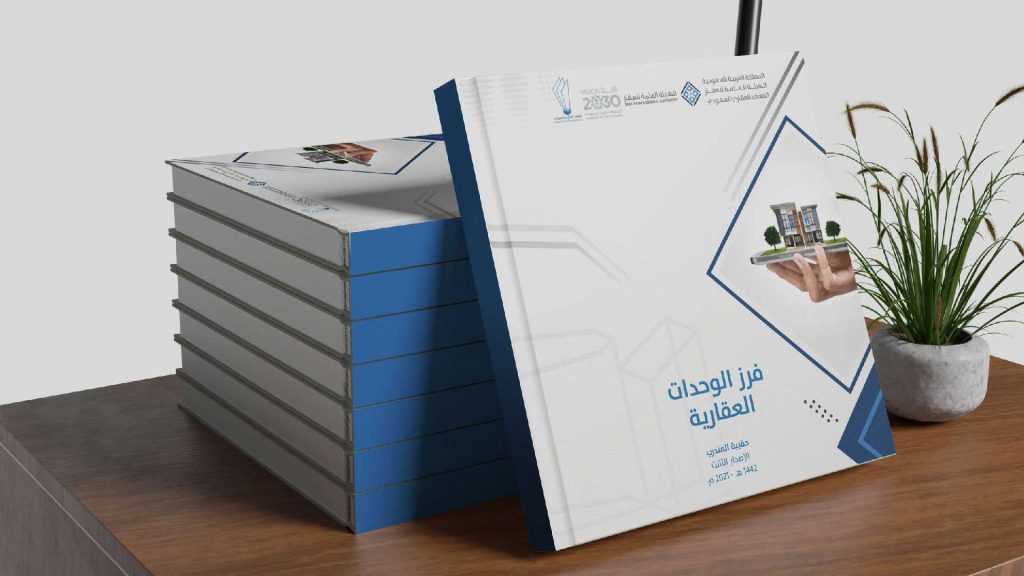
The project developed comprehensive training curricula for resolving real estate disputes for the General Authority for Real Estate. It created five specialised modules covering the technical requirements for consultants and researchers, hearing panels, real estate experts, execution judges, and first-instance and appellate judges, ensuring consistent knowledge and decision-making across dispute resolution stakeholders.
A. The Challenge
Real estate dispute resolution involves diverse stakeholders—consultants, experts and judges—who required specialised training to address complex technical issues and deliver consistent outcomes. The authority needed a coherent curriculum tailored to each role.
B. Our Solution
We designed and developed five specialised curricula addressing the technical requirements for consultants and researchers, hearing panels, real estate experts, execution judges and first-instance and appellate judges. The modules provided comprehensive guidance on legal, procedural and technical aspects of real estate disputes.
C. Key Achievements
The project produced a suite of targeted training programs that improved the competence of dispute resolution stakeholders, promoted consistency and fairness in rulings, and enhanced the authority’s capability to handle complex real estate cases. The curricula created a sustainable knowledge resource for ongoing training initiatives.
FAQ
What are the Training Curricula for Real Estate dispute resolution
The Training Curricula for Real Estate dispute resolution are structured educational programs designed to enhance the knowledge and technical capabilities of professionals involved in handling property-related cases. These curricula provide comprehensive guidance on legal, procedural, and technical aspects to ensure consistent and fair outcomes.
Who are the Training Curricula for Real Estate designed for
The Training Curricula for Real Estate are developed for consultants, researchers, hearing panels, real estate experts, execution judges, and appellate judges. Each curriculum is tailored to the specific responsibilities of these stakeholders in dispute resolution processes.
Why are specialised Training Curricula for Real Estate important
Real estate disputes involve complex legal and technical considerations. Training Curricula for Real Estate ensure that all parties involved have a unified understanding of procedures, evidence assessment, valuation principles, and judicial standards, leading to more consistent rulings.
How were the Training Curricula for Real Estate developed
The Training Curricula for Real Estate were developed after assessing stakeholder needs, identifying competency gaps, and analysing regulatory requirements to ensure comprehensive and role-specific content.
What topics are covered in the Training Curricula for Real Estate
The Training Curricula for Real Estate cover legal frameworks, procedural requirements, technical property evaluation, case analysis methodologies, enforcement mechanisms, and best practices in judicial decision-making.
Do the Training Curricula for Real Estate address technical property issues
Absolutely. The Training Curricula for Real Estate include detailed guidance on valuation principles, real estate documentation, technical assessments, and expert reporting standards.
How does this initiative improve consistency in rulings
By standardizing knowledge and clarifying technical requirements, all stakeholders operate under a unified understanding of procedures and standards. This reduces discrepancies and enhances fairness in decisions.
How does this approach strengthen institutional capability
Structured educational resources create a sustainable knowledge base within the authority. This ensures long-term competency development and reduces dependency on informal or inconsistent learning methods.
Are the modules aligned with legal and regulatory standards
Yes, the content was designed in alignment with national legal frameworks, judicial procedures, and best practices to ensure relevance and compliance with applicable regulations.
Can these programs be updated as regulations evolve
Absolutely. The modular structure allows for periodic updates to reflect changes in laws, regulatory guidelines, or emerging best practices in property dispute resolution.
How do these curricula support execution judges specifically
Execution judges receive targeted guidance on enforcement procedures, compliance verification, and managing complex property-related judgments to ensure effective implementation of rulings.
What impact does this initiative have on fairness in real estate cases
By enhancing technical knowledge and procedural clarity, decisions are based on consistent standards and thorough analysis, strengthening transparency and equity in rulings.